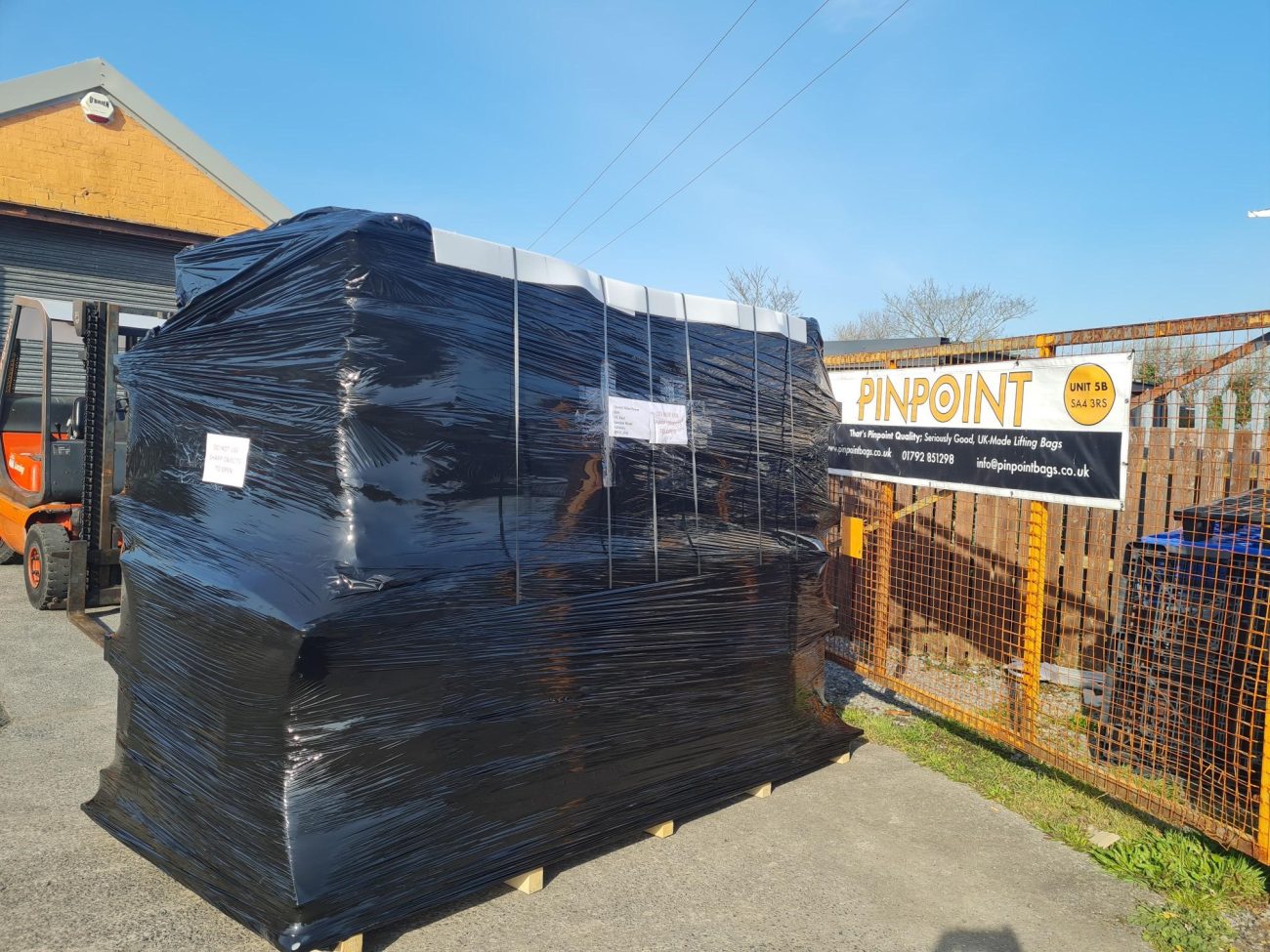
Amending the SPLBVH to an Open Top
Our solar panel lifting bags are a key part of our product range, and with the continued growth of
the renewable energy sector, we’ve expanded this range to suit a variety of sizes and
applications. One of our newer designs is the SPLBVH—named for its ability to lift both vertically
and horizontally.
This dual-lifting capability makes the SPLBVH a versatile solution for customers. Unlike our
standard solar panel bags, the original design featured three closed sides and a single opening
along the left edge. This was intended to prevent panels from slipping out during vertical lifting,
where an open top could pose a risk.
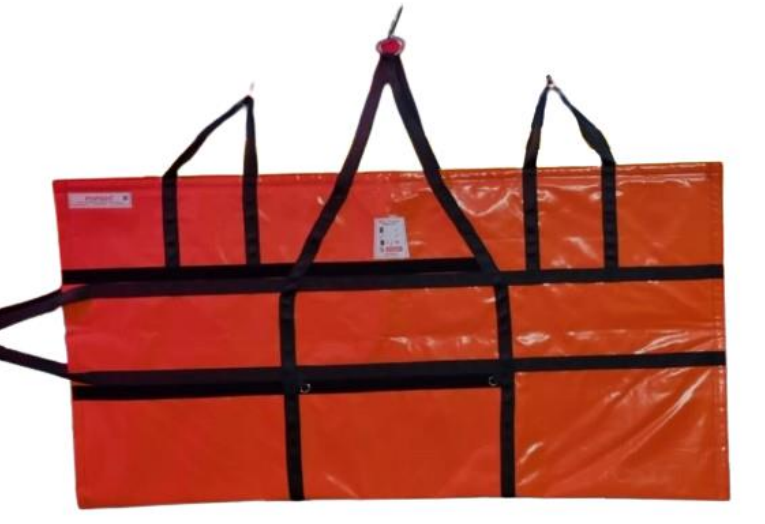
Initially, the design performed well. However, as the product was used more widely, customer feedback highlighted a key issue. With the top edge closed, it became difficult to slide solar panels into the bag. Given how delicate and sensitive these panels are, ease of handling is essential—so this was something we knew needed to be addressed.
Our design team, Jenn and Adam, reviewed the feedback and explored possible solutions.
Opening the top edge—similar to our standard solar panel bags—was the obvious direction, but
the challenge was maintaining security during vertical lifts.
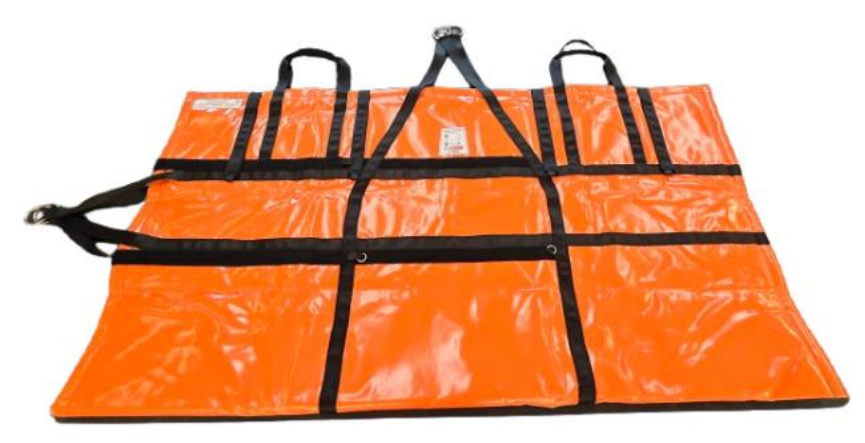
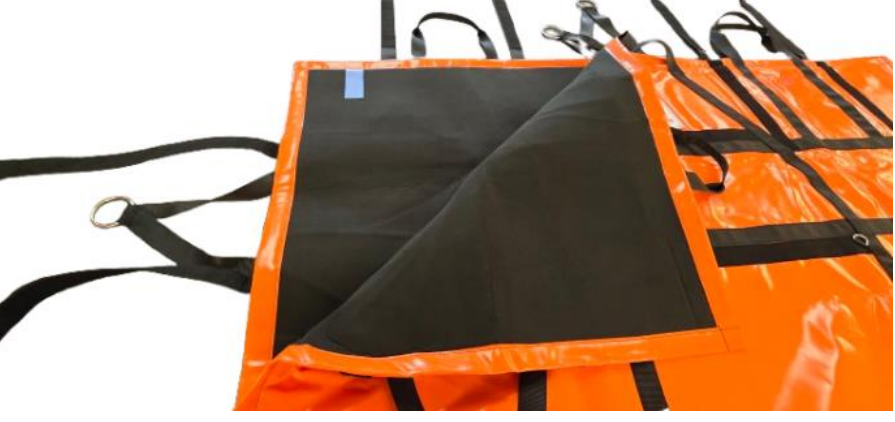
Two options were considered. The first was a partial opening along the top, secured with a
buckle. The second was a fully open top combined with heavy-duty webbing straps running
across the opening and down the side, secured with our extra strong hook and loop fastening
tape for security.
After careful consideration, the team selected the fully open top design. This approach offered
the best balance between ease of use and safety. It allows panels to be loaded more smoothly
while still providing the necessary restraint during lifting, making the bag more practical and
user-friendly overall. Both versions of the SPLBVH, and SPLBH Open top, are available to
purchase.
Summary
This project highlights the importance of listening to customer feedback and using it to guide
product development. While the original SPLBVH design met its initial objectives, real-world use
revealed areas for improvement. By working closely with customer insights and refining the
design, we were able to create a more user-friendly and effective solution.
We see feedback as a vital part of our process. It allows us to continuously review, adapt, and
improve our products to better meet the needs of our customers. By taking this approach, we
aim to ensure our solutions not only perform well but also make everyday use as straightforward
and reliable as possible.